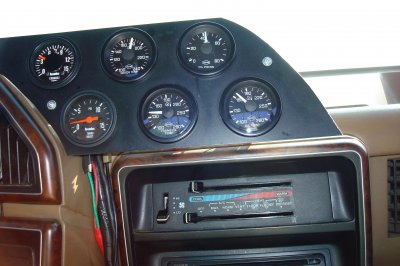
At low loads, diesels do not generate a lot of heat so tend to run cool. On top of that, they have monster cooler systems to cover them when they are under a load. Your truck sounds very typical and mine does the same. Put 2000# in the bed and drive around... the needle will go higher.
MPG depends a lot on when and how the truck is driven. Most people expect better mileage from diesels than that can actually deliver because so many people ******** and brag about their "great" mileage. If your 14.5 mpg is mixed city and highway, that's about right. If it's what you get on a long trip at 65 mph, then it's low. If it's a long highway trip at 75 mph, then it might be about right for a truck with 4.10s but a little low for a truck with 3.55s. If you drive like a wild man, it's good mpg.
And the above assumes you are getting accurate mpg readings. Acfurate reading on our trucks are difficult for many reasons. the first is foamy fuel. It's very difficult to get a consistent fill of the tank. Foamy diesel, and you know by now some days it's more foamy than others, you may be 3 gallons short of of a full tank when you fill up but the big problem is inconsistency. On a cool day, you might be only a gallon short. On a warm muggy day you may be three.. and those error don't factor in the difference in pumps. So, to get accurate mpg, you have to sit there and dribble fuel in until you can see it in the neck. That takes about 10 minutes over a normal fill. Next is odometer accuracy. I don't know about you '92 but in the Bullnose era, the odo commonly reads 10% over actual with 235/85R-16 tires. The result of that is an MPG calculation that indicates 10 percent better than actual. There are various ways to test odometer accuracy and get a correction factor.
I agree it's better to know the actual temp your engine is running but running it hotter won't help with mpg day to day. I have played that game and it didn't offer much, really nothing over the normal inaccuracies of the normal way of checking MPG, especially considering the amount of money and work expended. On top of that, you have to be careful not to restrict that great cooling reserve. After all this is a TRUCK. Some day, you may be hauling a trailer and if you have done something to make your truck run hotter, it may cause you to lose your cooling reserve and smoke the engine when it's working.
If you want to play with this, simply cover part of the radiator until you get the operating temps you think are right but be ready to remove the cover for hotter weather or heavy loads.
IMO, more gains come from driver technique and they are FREE. Keep your tires pumped up. Drive gently and keep the rpms low. Keep the truck as light as possible. Minimize the aerodynamic drag. Bed covers can deliver a 1 mpg increase in highway mpg. Use synthetic oils in the drivetrain. If you don't tow or haul a lot, use 75W90 grade gear oil in the diff rather than 75W140 for less drag. Smooth street tread tires generate LOTS less rolling resistance than off-road, all-terrain or even all-season tires.
You can throw dollars into fuel-saving parts just to save pennies. Most product mpg claims are "optimized" or you are seeing the upper end of a possible range. When calculating the cost effectiveness of a product, I usually reduce the claims by 25% to do my figuring. Take your annual miles driven and divide that by your average mpg to get the gallons used per year. Then do the same with the mpg improvements claimed by the manufacture of the gizmo (with at least the 25% knocked off) factored in and see how many gallons are used. Use an average of the local fuel price to see the money spent. Then subtract the lower number to get your annual savings. Divide that number by the cost of the gizmo and you'll have an idea on how many years of driving it will take to first pay off the gizmos with the savings BEFORE you start putting that money back into your pocket. I have seen some gizmos that required 10 years! Dollars to save pennies.